Qarabag FK vs Newcastle: An In-Depth Analysis of a Champions League Clash
The Qarabag FK vs Newcastle matchup represents one of the most talked-about fixtures in the 2025–26 UEFA Champions League playoff stage. Bringing together the Azerbaijani powerhouse Qarabag FK and the English Premier League side Newcastle United, this encounter highlights the contrasts in footballing styles, resources, and European experience. Beyond the scoreline, this fixture offers insight into tactical approaches, player performances, and the broader implications for both clubs as they navigate the European football landscape.
In this article, we will explore every aspect of Qarabag FK vs Newcastle, from pre-match expectations to tactical breakdowns, standout players, and the significance of the result in the context of both domestic and European football.
Setting the Scene: Champions League Playoff Tensions
The UEFA Champions League playoff round is a pivotal stage. It serves as a gateway to the group stages for clubs from smaller leagues and as a testing ground for elite clubs to assert dominance before the knockout stages. For Qarabag FK, this fixture was a chance to prove that Azerbaijani football can compete on Europe’s grandest stage. The club has consistently represented Azerbaijan in European competitions, gaining valuable experience over the years and building a reputation for resilience and tactical organization.
On the other hand, Newcastle United approached the Qarabag FK vs Newcastle match with the dual goal of consolidating their growing European ambitions and demonstrating their ability to compete with precision and pace against teams outside England’s top flight. Newcastle, with its rich Premier League history and recent investments in squad depth, had the advantage of experience, high-level coaching, and a roster brimming with attacking talent.
From a narrative standpoint, the matchup was an intriguing clash: the disciplined underdog versus the aggressive, high-pressing giant. Both teams had clear motivations. For Qarabag, it was about resilience and taking advantage of any opportunity to upset a bigger club. For Newcastle, it was about efficiency, early dominance, and setting the tone for a smooth progression to the next stage.
Pre-Match Expectations
Leading up to the game, analysts and fans debated the likely outcomes of the Qarabag FK vs Newcastle clash. While Newcastle were widely considered favorites due to their superior league quality, resources, and recent form, Qarabag had the advantage of home support and familiarity with the local conditions in Baku.
Key pre-match talking points included:
- Attacking vs Defensive Balance: Qarabag needed to maintain a compact defensive structure to withstand Newcastle’s pace and creativity in attack, while also exploiting counter-attacking opportunities.
- Midfield Battle: Control of midfield would likely determine the flow of the game, with Newcastle aiming to dominate possession and Qarabag hoping to disrupt the rhythm with tactical pressing.
- Player Matchups: The duel between Newcastle’s wingers and Qarabag’s full-backs was projected to be decisive, with Newcastle relying on speed and movement to break the lines.
The anticipation was palpable. While Newcastle were expected to secure a strong advantage, the first leg offered Qarabag a chance to make history by unsettling one of England’s rising European sides.
Match Summary: Qarabag FK vs Newcastle
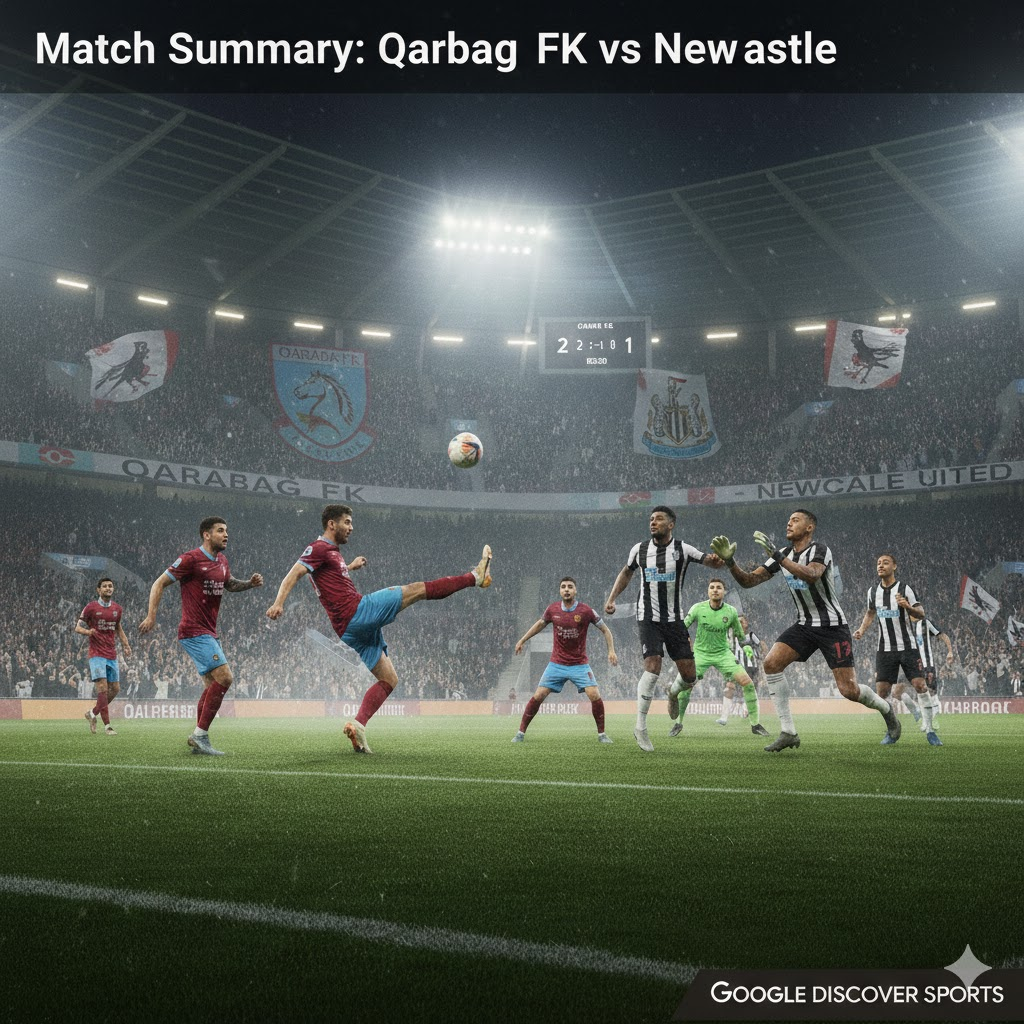
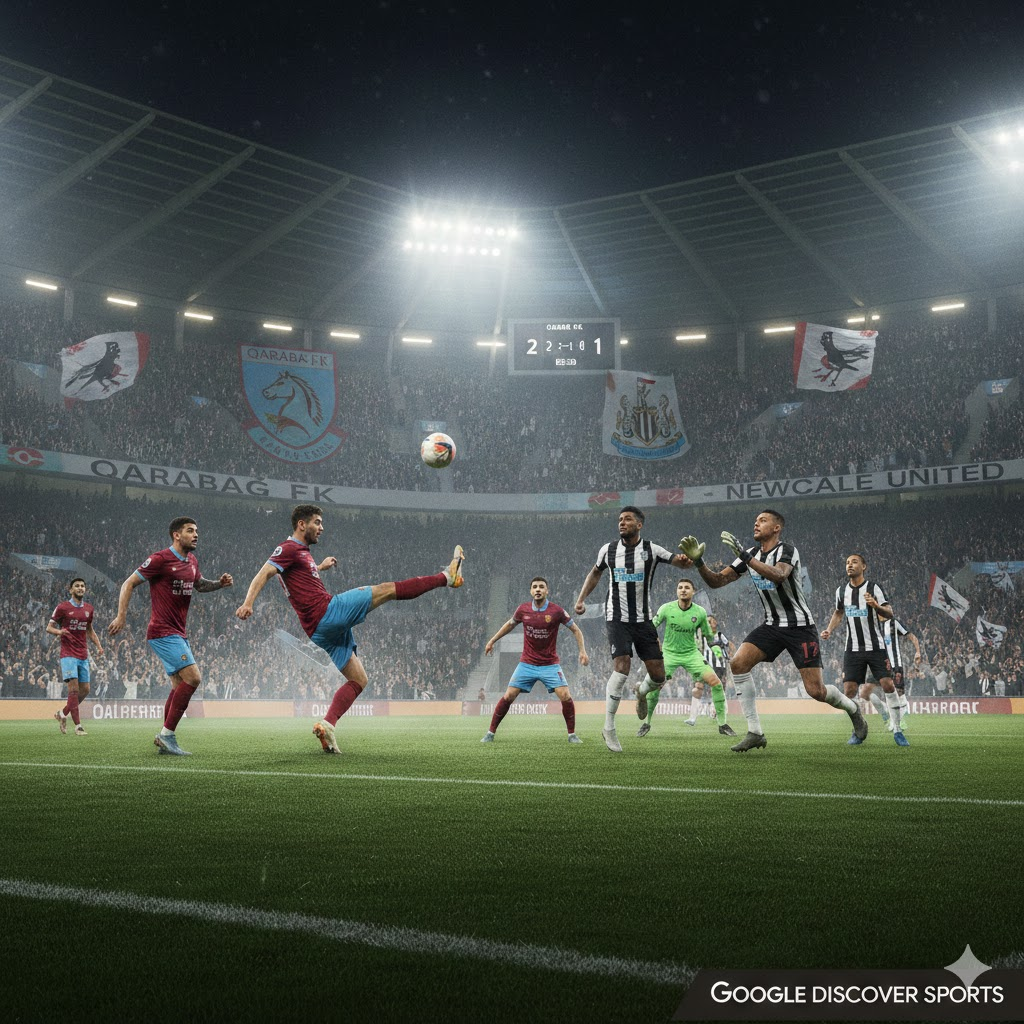
The match itself quickly proved why Qarabag FK vs Newcastle would be remembered in Champions League discussions. Newcastle United established control early, leveraging high-intensity pressing and rapid transitions to dominate the first half. By halftime, the scoreline already reflected a stark imbalance, highlighting the gulf in quality and experience.
First Half: Newcastle’s Dominance
The opening minutes saw Newcastle take immediate control of possession, probing Qarabag’s defensive lines with quick combinations and intelligent movement. An early goal by Anthony Gordon set the tone, forcing Qarabag to chase the game. The Magpies’ midfield trio orchestrated play with precision, connecting defense to attack seamlessly and consistently finding spaces between Qarabag’s lines.
Within the first 45 minutes, Newcastle had capitalized on defensive gaps, scoring multiple goals and effectively sealing the first-half advantage. The attacking trio, featuring wingers and a central striker, combined pace and clinical finishing, leaving Qarabag exposed and scrambling for solutions.
Second Half: Qarabag’s Response
After the halftime break, Qarabag attempted to adjust their tactics, increasing their direct play and seeking opportunities on the counterattack. While they managed to score a consolation goal midway through the second half, Newcastle’s composure and defensive organization prevented any sustained comeback.
Newcastle also rotated key players to preserve energy for domestic fixtures while maintaining control of the game. Their ability to manage the game without compromising attacking threat demonstrated maturity and strategic depth, critical elements in high-stakes European fixtures.
Tactical Analysis of Qarabag FK vs Newcastle
Analyzing the tactics employed provides deeper insight into why Newcastle were so dominant in Qarabag FK vs Newcastle:
Newcastle United
- High Pressing: From the outset, Newcastle applied pressure to Qarabag’s defenders, forcing hurried passes and disrupting buildup play.
- Wide Play and Overlaps: The wingers stretched Qarabag’s defensive lines, allowing full-backs to overlap and create crossing opportunities.
- Midfield Control: With intelligent ball retention and quick distribution, Newcastle controlled the tempo and dictated the pace of the match.
Qarabag FK
- Compact Defensive Shape: Qarabag tried to maintain a compact 4-5-1 structure, reducing space in central areas.
- Counter-Attacks: The team sought to exploit transitions, using pacey forwards to catch Newcastle off-guard, though opportunities were limited.
- Set Pieces: Qarabag relied on set-piece situations for scoring chances, recognizing that open play was dominated by Newcastle.
Despite these strategies, Newcastle’s superior finishing and tactical awareness rendered Qarabag’s defensive plan largely ineffective, illustrating the challenges smaller league teams face against elite opponents.
Key Player Performances
Anthony Gordon: Star of the Night
Anthony Gordon’s performance was historic. Scoring four goals in a single half, he dominated the Qarabag FK vs Newcastle match. His movement, timing, and composure in front of goal highlighted not only individual talent but also a keen understanding of European competition dynamics. Gordon’s ability to capitalize on Newcastle’s tactical setup made him the standout figure of the night.
Malick Thiaw: Defensive Stability and Contribution
Central defender Malick Thiaw showcased Newcastle’s defensive strength. Beyond neutralizing Qarabag’s attacks, he contributed to set-piece goals, emphasizing the dual role of modern defenders in both defense and attack.
Qarabag’s Efforts
Elvin Cafarquliyev’s goal for Qarabag demonstrated persistence and skill, providing a brief glimmer of hope. Qarabag’s goalkeeper and defensive line also made crucial interventions, limiting the damage from an otherwise dominant Newcastle side. These performances, though overshadowed by the scale of the defeat, reflected determination and professionalism in a challenging matchup.
Implications of Qarabag FK vs Newcastle
Second Leg Outlook
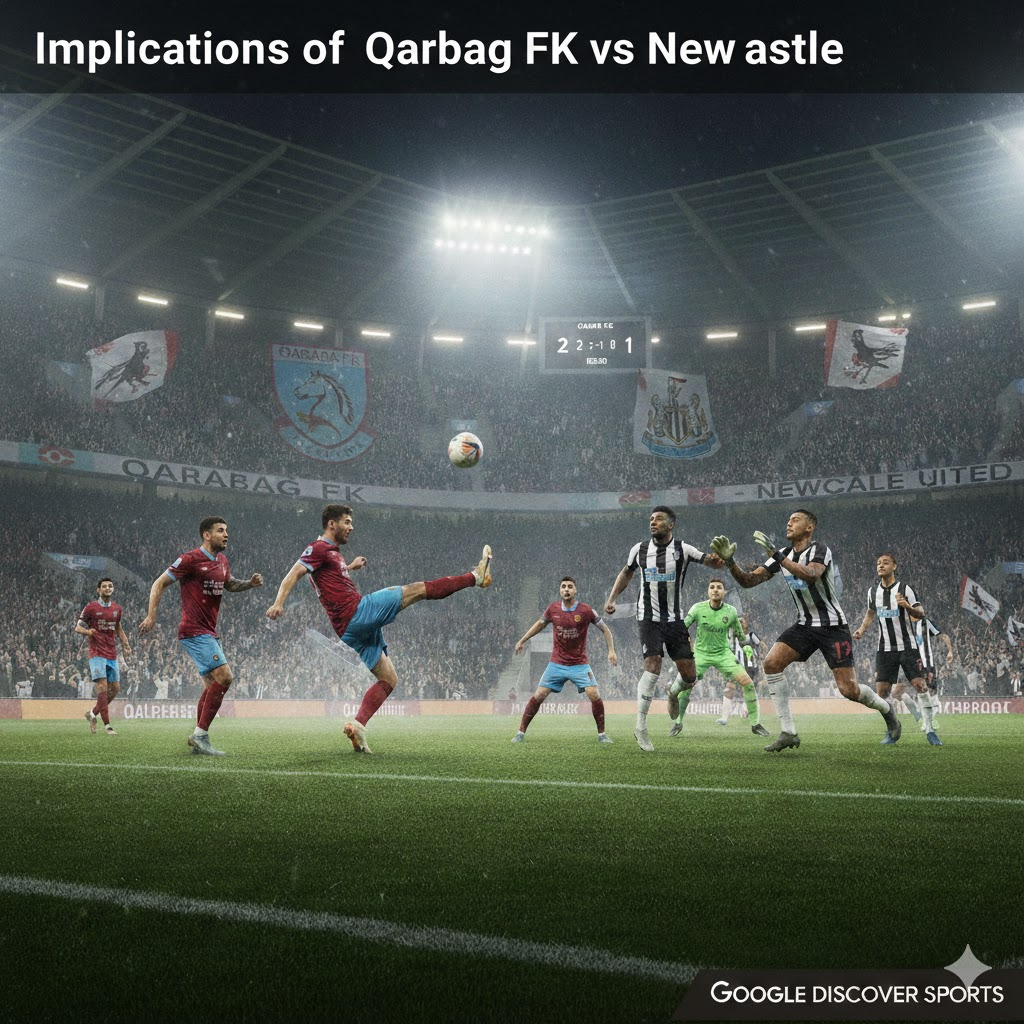
With a commanding first-leg advantage, Newcastle enter the second leg with confidence. While Qarabag faces a significant challenge to overturn the deficit, the experience gained from competing against top-tier opposition is invaluable. Newcastle, meanwhile, can approach the return match with strategic rotations and management of player workload, preserving fitness for domestic competitions.
Broader European Context
The Qarabag FK vs Newcastle fixture underscores a recurring narrative in European football: the intersection of smaller league clubs with elite European competition. These matchups expose gaps in resources and experience but also provide opportunities for growth, exposure, and tactical learning. For Qarabag, competing against Newcastle offers lessons that can inform future European campaigns. For Newcastle, it reinforces their status as a rising power in English and European football.
Strategic Takeaways from Qarabag FK vs Newcastle
Several key lessons emerge from this clash:
- The Importance of Early Momentum: Newcastle’s early goals set the tone and allowed them to control the match without overexertion.
- Tactical Flexibility: Qarabag’s attempts to adjust tactics highlighted the need for adaptable strategies against high-caliber opposition.
- Clinical Finishing Matters: The match exemplified how efficiency in front of goal often defines outcomes at the highest level.
- Experience vs. Resilience: While experience helped Newcastle dominate, Qarabag’s resilience remains a foundation for future success.
These takeaways resonate beyond a single fixture, offering insights into preparation, strategy, and execution in European competitions.
Read Also The Article: Aberdeen vs Motherwell – An In‑Depth Exploration of One of Scottish Football’s Most Resilient Rivalries
Conclusion: The Legacy of Qarabag FK vs Newcastle
The Qarabag FK vs Newcastle match will be remembered as a defining encounter in the 2025–26 Champions League playoff stage. Newcastle’s emphatic victory highlighted their tactical cohesion, attacking efficiency, and individual brilliance, particularly from Anthony Gordon. Qarabag, despite facing a challenging scenario, demonstrated resilience and gained invaluable experience against top-tier European competition.
This clash reinforces the thrill and unpredictability of European football, where underdogs meet established powers and where every tactical nuance, goal, and player performance contributes to the larger narrative. For Newcastle, progression is secured and ambitions strengthened. For Qarabag, lessons learned will fuel growth and preparation for future continental challenges.
Ultimately, Qarabag FK vs Newcastle serves as a reminder of football’s enduring drama, illustrating how preparation, skill, and strategy converge on the European stage to create moments that captivate fans, analysts, and players alike.